Cozy Season Embroidery: A Designer's Review for Market Success
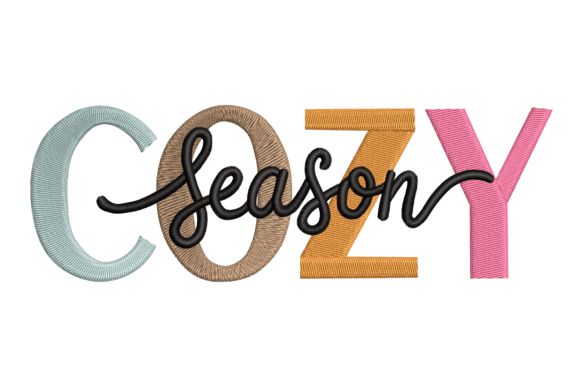
As an embroidery designer preparing for a weekend craft fair, every design in my catalog gets a practical review. I look at it not just as art, but as a potential product that needs to sell, catch eyes on a crowded table, and be produced efficiently. Today, I’m evaluating Cozy Season, an autumn-themed machine embroidery design, from this exact perspective. Let’s break down where it shines on real products and what you need to know before stitching it for your handmade business.
First Impression: Where "Cozy Season" Fits in the Market
The title Cozy Season immediately sets a mood. It feels soft, decorative, and rustic, leaning into that farmhouse-authentic aesthetic that resonates so well at handmade markets. It’s not bold or funny; it’s evocative and warm. This is a design that sells a feeling—the comfort of autumn, the texture of handmade crafts. For customers browsing a booth, it promises a touch of seasonal charm without being overtly festive. This makes it versatile, suitable for both home décor and fashion items, as the description suggests. It reads as premium and handcrafted, which is exactly the quality you want to communicate.
Product Spotlight: Where This Design Will Stand Out
My mental booth display is filled with tote bags, aprons, tea towels, pillow covers, and small giftable items. Here’s how I see Cozy Season performing on specific craft fair products.
Tote Bags and Market Bags
This is a prime candidate. A decorative, textured design like Cozy Season adds significant value to a simple canvas tote. It becomes a statement piece. On a larger bag surface, the design can be scaled to be a clear focal point. The “handcrafted feel” translates directly into a higher perceived value, allowing you to price it above a plain bag. It photographs beautifully for online listings like Etsy or your small shop website, as the texture of the stitches adds depth even in a digital image.
Home Décor: Tea Towels and Pillow Covers
For kitchen towels and pillow covers, this design is a perfect fit. The autumn theme naturally complements these items. On a tea towel, consider placement carefully; a centered or corner motif works well. Be mindful of the fabric texture—linen or cotton towels can handle the stitches, but always test on scrap fabric first. For a pillow cover, Cozy Season can anchor the entire design, creating a cohesive, seasonal home accessory that sells as a set or individually.
Fashion & Wearables: Aprons, Caps, and Patches
On an apron, this design adds that unique, boutique-maker touch. Position it on the bib or pocket for maximum visibility. For caps, exercise caution. The curved surface of a cap can distort details, and if the design has dense stitch areas or tiny elements, it might lose clarity. A simpler, more open version of the motif might be better. As an embroidered patch, however, Cozy Season could be excellent. It becomes a transferable piece of autumn charm, applicable to jackets or bags, offering you another product category.
Small Gift Items: Pouches and Mini Projects
Small fabric pouches or zippered cases are popular craft fair items. Here, Cozy Season can work as a beautiful accent. At a smaller size, ensure the design remains intelligible. This is a critical test: does it look crowded or confusing when miniaturized? If it holds up, it makes for a quick, high-value product perfect for batch production.
The Practical Production Checklist
Turning a digital embroidery file into a sellable handmade product requires forethought. Here are my designer notes for producing Cozy Season efficiently.
Stitch Density and Fabric Compatibility
The description mentions “beauty and texture,” which often comes from stitch density. Dense areas look rich but can be challenging on thick fabrics like heavy canvas or textured towels. They may require more stabilizer and potentially multiple test runs. Always check the stitch density in your embroidery file editor before committing to a batch. Use the right stabilizer for your base fabric to prevent puckering and ensure a clean finish that looks professional.
Thread Colors and Contrast
For a design evoking “cozy season,” thread color choice is paramount. Natural, warm autumn tones will enhance the theme. Crucially, review thread contrast against your fabric colors. Test on light and dark fabrics. Some designs lose definition on dark materials if the color palette isn’t adjusted. Creating at least one real mockup on your intended product fabric is non-negotiable. It reveals how the design truly looks in person, which is often different from the digital preview.
Hoop Size and Design Scaling
How large or small can this design go? This determines your product range. Can it be a 4” accent on a tea towel, or a 8” focal point on a tote? You must confirm the hoop size requirements and the design’s minimum and maximum scaling limits from the file details. This information is essential for planning your production. If the design contains small lettering or intricate details, scaling down too much will render them unreadable, hurting the product’s quality.
Batch Production and Commercial Use
For craft fair sellers and Etsy sellers, repeatability is key. Cozy Season, if it stitches cleanly and without frequent thread breaks, is ideal for batch production. You can efficiently produce multiple tote bags or pillow covers. Before selling any finished product, however, you must confirm the commercial licensing of the embroidery file. Not all digital files allow for commercial use of the embroidered items. This is a legal and business-critical step.
Why "Cozy Season" Strengthens Your Booth and Brand
Beyond the single product, a strong design like this contributes to your overall market presence.
It boosts customer attention by offering a clear, thematic story. An autumn-themed table section with coordinated products draws browsers in. It enhances product value; the obvious handmade embroidery justifies a higher price point compared to plain items. It supports brand consistency for boutique makers. If your brand leans into rustic, seasonal, or textured aesthetics, this design reinforces that identity across multiple products.
For booth display strength, items embroidered with Cozy Season create visual cohesion. A group of tote bags, towels, and pouches sharing the same design theme forms a powerful, attractive display that encourages multiple purchases. It drives buyer engagement because customers can instantly understand the theme and imagine the item in their own home or wardrobe, making the purchase decision easier.
Final Designer Advice Before You Stitch
My last thoughts are always about minimizing risk before the fair. For Cozy Season:
- Test it on every fabric type you plan to use: canvas, linen, cotton, towel fabric.
- Compare its appearance on light, medium, and dark background fabrics.
- Inspect the stitch path for any potential thread color changes that might slow production.
- Create a physical sample—your booth mockup. This is your best sales tool.
- Photograph your sample in good light. This image becomes your Etsy listing or printable mockup for digital sellers.
- Plan your product mix. Where will this design have the most impact? Likely on larger home décor and bag items where its decorative texture can be fully appreciated.
In conclusion, Cozy Season presents a strong opportunity for autumn market sales. Its decorative, textured nature aligns perfectly with the handmade, cozy aesthetic that craft fair customers seek. By focusing it on the right products—tote bags, pillow covers, and tea towels—and paying close attention to the practical production details, you can transform this machine embroidery design into a profitable line of craft fair products that feel special, look beautiful, and sell consistently.