A Designer's Look at the Jesus Embroidery Design
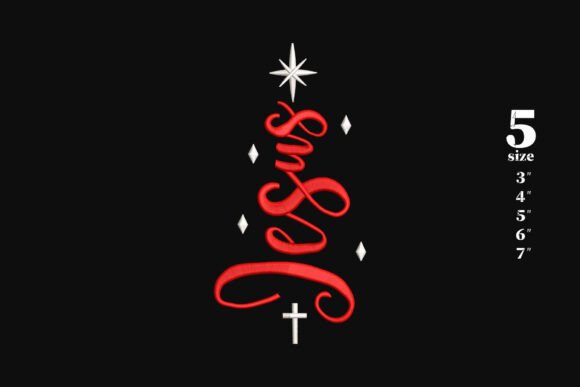
When I first opened the Jesus embroidery file, my immediate impression wasn't just about its theme—it was about its mood. This isn't a stern, traditional depiction; the design feels accessible and serene. The lines suggest a balance of reverence and warmth, which is a tricky thing to achieve in a single embroidery design. For anyone creating handmade products or personalized gifts, this emotional tone is everything. It tells a story before the needle even touches the fabric.
Where This Design Finds Its Home
Given its category, Christmas projects are an obvious starting point. But this design’s application is broader. Its elegance makes it a strong candidate for year-round items in a faith-based craft business or small shop. I picture it on a custom apparel piece like a classic crewneck sweatshirt—the kind of item someone wears for comfort and meaning, not just for a season. It would translate beautifully into a framed embroidered patch, becoming a permanent piece of nursery decor or a wedding gift.
For commercial embroidery or boutique branding, consider it on high-quality tote bags or apron sets. The design isn’t overly dense or cartoonish; it carries a professionalism that elevates simple kitchen towels or pillow covers into thoughtful, giftable products. For Etsy sellers and digital product sellers, this is a design that would shine in printable mockups, suggesting a finished product of real value.
The Practical Stitch: Thinking Like a Maker
Moving from the visual to the practical, how does the Jesus design perform in real-life embroidery situations? My first thought is scale. For baby clothes or caps, you’d need to consider hoop size carefully. Small details, if present in the design, need space to breathe. I always advise testing on scrap fabric first, especially for a design like this. You want to check stitch density on the intended fabric texture—a thick sweatshirt fleece versus a fine tea towel behave very differently.
Stitch clarity is paramount. On dark fabric backgrounds, thread color contrast is critical. I’d run a test on both light and dark stabilizer-backed fabrics to see how the outlines and fills hold up. This isn’t just about aesthetics; it’s about customer trust. A crisp, clean stitch on a custom apparel item speaks to quality and care, directly impacting buyer engagement and your brand’s consistency.
A Real Project Scenario: The Holiday Tote Bag
Let’s walk through a real case. Imagine you’re preparing a batch of custom embroidered tote bags as small shop merchandise for a holiday market. You choose a natural canvas bag. The Jesus design, with its elegant lines, would sit centrally. You’d select a thread palette that complements the bag’s color—perhaps rich, deep tones for a sophisticated look. The stitch type matters here; if the design uses satin stitches for curves and fill stitches for broader areas, you need to ensure your machine settings match to prevent puckering on the bag’s sturdy but sometimes unforgiving texture.
The result? An eye-catching, handmade product that feels special. It’s not just a bag; it’s a carryable piece of art. This is the kind of application where the design’s “fun and easy to stitch” claim, as mentioned in the description, needs to be proven. Does it run smoothly without constant thread breaks? Does it look elegant after a full run? Only a test stitch tells you that.
Careful Application: When to Proceed with Caution
Every embroidery design has its ideal matches and its challenging partners. For the Jesus design, I’d be cautious with very small hoop sizes on curved surfaces like caps if the detail level is high. Tiny lettering or intricate decorative accents can get lost or blur. Similarly, on thin or stretchy fabric like certain t-shirts, stabilizer choice becomes non-optional—you’re investing in the longevity of the finished product.
Layered garments, like a quilted jacket, or items needing frequent washing, like baby blankets, require extra planning. You’d want to review the stitch density to ensure it can withstand wear without fraying. This isn’t a limitation of the design itself, but a universal rule for any embroidery project intended for durable use.
The Designer's Final Notes
Before committing this to a client project or listing it in your Etsy shop, do the due diligence. Test the design. Check thread color contrast in both digital previews and real stitches. Inspect small details under good light. Confirm the licensing terms for the embroidery file if you’re using it for commercial embroidery or selling the finished items. The description says it’s a machine embroidery design—ensure your machine compatibility and that the included file formats work for your setup.
Ultimately, the Jesus design presents an opportunity. Its visual personality is gentle and eye-catching, which aligns perfectly with the market for meaningful handmade products. When stitched well on a suitable project, it enhances visual appeal and giftability. It feels like a design that could become a core asset for a crafter specializing in faith-based or heartfelt goods. My advice is to approach it not as a generic holiday design, but as a versatile piece of art. See where its mood fits in your line, stitch it with care, and let its quality speak for itself on the final product.