Mrs. Claus Gingerbread Bakery Embroidery Design Review
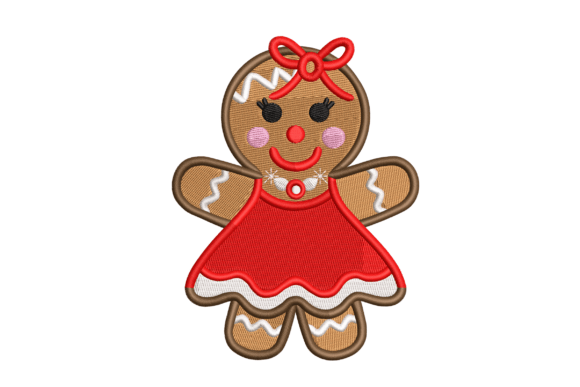
As a professional embroidery designer preparing for a busy holiday craft fair season, I’m constantly evaluating new embroidery files for their potential as handmade products. Today, I’m looking at the Mrs. Claus Gingerbread Bakery machine embroidery design. The name alone evokes a specific, cozy holiday mood—let’s see if the design lives up to it and how it might perform on my booth table.
First Impression: Festive, Cute, and Full of Personality
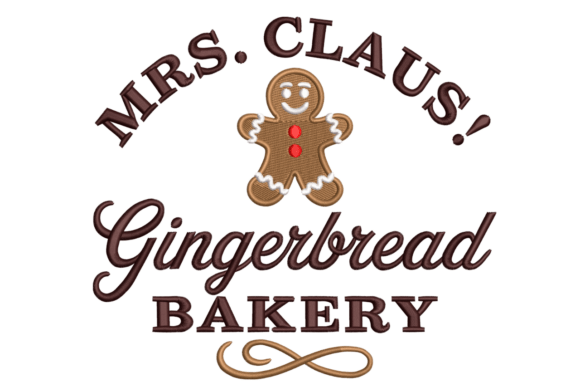
The title Mrs. Claus Gingerbread Bakery promises a scene that’s instantly festive and narrative. It’s not just a snowflake or a tree; it’s a story. For customers browsing a crowded market, a design with a little scene or story tends to stand out more than a generic symbol. This suggests a decorative and cute aesthetic, leaning towards the rustic and handmade feel that sells so well during Christmas. The description calls it “full of personality,” which is exactly what you want for products that need to connect emotionally with a buyer in just a few seconds.
Craft Fair Product Performance: Where It Shines
Imagining my display, I see embroidered tote bags, aprons, tea towels, caps, and small giftable pouches. Here’s how I believe Mrs. Claus Gingerbread Bakery would perform across these products.
Tote Bags and Market Bags
A tote bag is often a large, flat canvas. This design would likely work best as a central, focal piece on a bag’s front panel. Its “personality” would translate well to a statement piece that someone carries around. The festive theme makes it perfect for a holiday shopping tote or a gift bag. For production, a larger hoop size might be needed, but the payoff in customer attention would be high.
Aprons and Kitchen Towels
This is a natural fit. The bakery theme directly aligns with kitchen textiles. An embroidered apron with Mrs. Claus Gingerbread Bakery would feel premium and special, elevating a simple apron into a themed holiday gift. On a tea towel, it becomes a decorative piece for display, not just utility. The key here is fabric texture; a good stabilizer is crucial on textured towels to keep the design crisp.
Caps and Patch Applications
Caps are a tricky but popular craft fair product. The curved surface requires careful hooping and consideration of design size. If Mrs. Claus Gingerbread Bakery has any tiny details or small lettering, they might lose clarity on a cap’s curved front. However, if adapted into a simpler embroidered patch first, then applied to the cap, it could work beautifully. A patch also opens up other possibilities—it could be sold as a standalone item for customers to apply themselves.
Pillow Covers and Decorative Pieces
For a more decorative, home-décor product like a pillow cover, this design could be exceptional. It creates a whole festive scene, adding value to a simple pillow. It feels handmade and cozy, exactly the aesthetic that sells in boutique shops and on Etsy during the holidays. This is where the design’s potential as a premium, giftable item is strongest.
Practical Production and Selling Points
Turning a digital embroidery file into a profitable craft fair product requires practical judgment.
Design Clarity and Batch Production
The description says it’s “easy to stitch,” which is vital for batch production. If I’m making twenty tote bags for my booth, I need a design that runs reliably without excessive thread changes or tricky jumps. I’d advise checking the stitch density, especially in any dense areas that might be slow to stitch or require special stabilizer on thicker fabrics like bag canvas. Does it work as a small accent on a pouch, or does it need to be large to be understood? A design that’s easy to understand at a glance sells faster at a busy fair.
Photographing for Online Listings
For Etsy sellers and digital sellers using printable mockups, visual appeal is everything. A design with clear, contrasting colors and a defined composition photographs well. The bakery theme likely has good visual elements that pop in a listing photo. Creating at least one real mockup, on a real tea towel or tote, is essential to show the true handmade quality and texture before listing it online.
Customer Attention and Product Value
At a craft fair, Mrs. Claus Gingerbread Bakery would attract customers looking for something specific and story-driven. It’s not a commodity item; it feels unique. This perceived uniqueness increases product value. It supports brand consistency for a shop focused on holiday or kitchen themes. On a booth display, a group of products all featuring this charming design creates a strong, cohesive visual section that draws buyer engagement.
Careful-Use Notes for the Embroidery Designer
Before committing this design to a production run, here are my professional notes.
- Always test on scrap fabric first. Use the exact fabric you plan to sell—be it bag cotton, towel linen, or cap fabric. Check thread contrast, especially if using on dark fabrics.
- Review spacing and hoop size. Confirm the minimum hoop size required and how the design fits on your intended products. Does it need to be scaled?
- Inspect for tiny details. If the design includes very small lettering for “Bakery” or intricate gingerbread details, these might not stitch cleanly on textured fabrics or at reduced sizes. They could become a dense, puckered area.
- Use the right stabilizer. This is critical for maintaining clarity on all products, especially those with higher stitch density.
- Compare fabric colors. Stitch it on a few different background colors to see which combinations sell the look best—a classic red, a natural linen, a crisp white.
- Confirm commercial licensing. The description provided does not specify license terms. Before selling any finished product, it is imperative to verify that the embroidery file is licensed for commercial use.
Final Judgment for the Craft Fair Booth
Mrs. Claus Gingerbread Bakery has strong potential as a holiday season bestseller for craft fair sellers and handmade shop owners. Its thematic strength and implied personality make it a standout on decorative items like pillow covers and kitchen textiles. For practical batch production, its described ease of stitching is promising, but due diligence through testing is non-negotiable. On a booth table surrounded by other Christmas embroidery, it would tell its own little story, inviting customers to stop and imagine the cozy bakery scene—and that’s exactly the kind of engagement that turns a browsing visitor into a buyer.
My recommendation would be to focus it on higher-value, giftable items like aprons, decorative pillow covers, and premium tote bags where its charm can be fully appreciated. For quick, smaller items like patches or pouches, ensure the design retains clarity at a smaller size. With careful production planning, this design could become a festive anchor for your entire holiday product line.