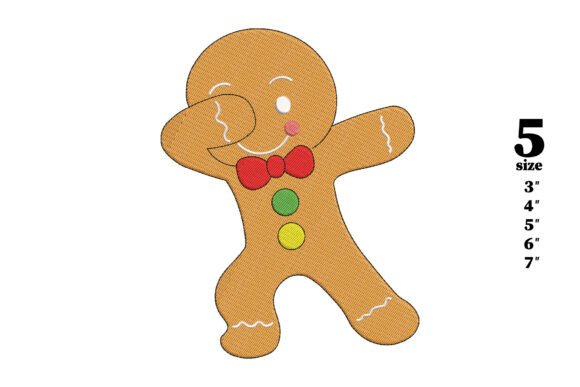
An Honest Review of a Gingerbread Man Embroidery Design
The Warm, Whimsical First Impression
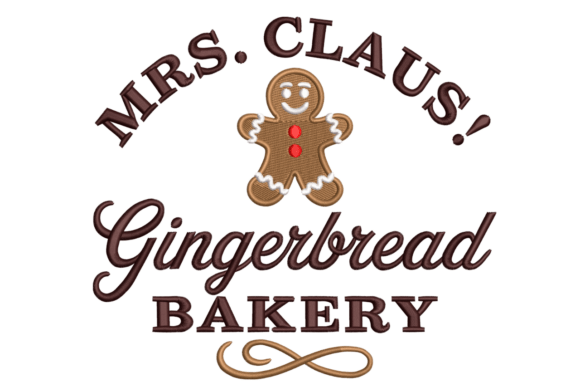
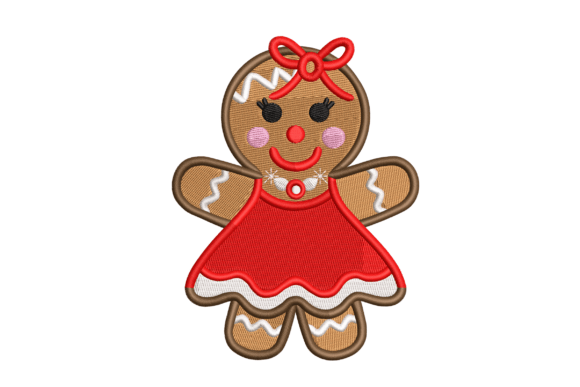
When I pulled up the Gingerbread Man embroidery design on my screen, the immediate feeling was one of classic holiday cheer. It’s not a hyper-detailed, intimidating illustration; it’s a friendly, approachable character. The shape is soft and rounded, which is a great sign for stitching—sharp, intricate corners can sometimes be a headache on certain fabrics. The overall layout feels balanced, and the level of detail suggests it’s designed to be “easy to stitch,” as the description says. This isn’t a design that’s trying to be a masterpiece of thread art; it’s aiming to be a reliably charming emblem of the season. I instantly pictured it on a child’s sweater or the corner of a cozy kitchen towel.
The visual personality is playful and sweet, without being overly childish. This is key for crafters and small business owners. It has a versatility that could appeal to a wide range of customers: parents looking for a cute baby item, someone wanting a festive tote bag for grocery runs, or a boutique wanting a simple, recognizable holiday motif for their merchandise. It creates a mood of homemade warmth, which is exactly what people are seeking in handmade holiday gifts.
Where This Gingerbread Man Truly Shines in Real Projects
Let’s talk practical application. I’m thinking through this as if I’m preparing a batch of custom embroidered sweatshirts for a holiday market. The Gingerbread Man design, given its likely stitch composition, should perform reliably on standard cotton sweatshirt fabric with the right stabilizer. Its “full of personality” description translates, in my mind, to clean outlines (probably satin stitches for definition) and filled areas that won’t be overly dense. This is good news for apparel decorators—it means less puckering on knit fabrics like t-shirts and a smoother finish on tote bags.
For small business merchandise, this design is a solid candidate. Imagine it stitched onto an apron for a festive bakery pop-up, or as a small accent on a holiday-themed pillow cover sold in an Etsy shop. Its simplicity means it stitches quickly, which is crucial for production runs. For personalized gifts, like a baby’s first Christmas bib or a monogrammed tea towel alongside the gingerbread man, it adds that custom touch without overwhelming the item. As an embroidered patch, it would hold its shape well on a cap or backpack, given the right backing.
In terms of visual appeal and product value, a well-stitched version of this design elevates a basic item. On a plain white sweatshirt, a crisp gingerbread man in browns and reds immediately makes it a holiday product. That perceived value increases, which is essential for craft businesses. The clarity of the stitching will directly affect customer trust—a clean, professional-looking embroidered piece suggests care and quality, reinforcing your brand consistency as a maker.
Careful Considerations for a Perfect Stitch
Now, the realistic part. Even an “easy to stitch” design needs forethought. First, hoop size. While the description doesn’t specify, the design’s apparent scale suggests a smaller hoop might work, but I’d always recommend testing on scrap fabric in your intended hoop to check for any distortion, especially on stretchy fabrics like t-shirts.
Fabric choice is paramount. This Gingerbread Man would likely look fantastic on medium-weight, non-textured fabrics. On very textured fabrics like some blankets, or on thin, slippery materials, the details might lose definition. Dark fabrics require careful thought about thread color contrast—you’d need to ensure the traditional gingerbread colors pop or consider a creative twist with lighter threads. On curved surfaces like caps, the rounded shape is an advantage, but stabilizer choice becomes even more critical.
Think about the final product’s life. Is it a kitchen towel that will be washed frequently? Or a decorative pillow cover? The stitch density (which we must assume is reasonable from the description) will impact durability. Denser fills can be more robust but also more stiff. I’d advise testing the embroidery file on a scrap and giving it a few wash cycles if the finished product is meant for regular use.
A Designer’s Practical Notes Before You Hoop
Before you run this Gingerbread Man on your final project, here’s my standard checklist. It’s what I do before any client work or crafting batch.
- Always, always test the design on a scrap of the exact fabric you plan to use. This reveals everything: tension issues, needed stabilizer, and true thread color appearance.
- Review the stitch file in your software. Look at the small details—the eyes, the smile. Are they comprised of tiny stitches that might get lost on textured fabric? Check the sequence; is there an applique element or is it all stitch fills?
- Compare it on light and dark backgrounds in a black-and-white mockup, even a simple digital preview. This helps visualize contrast and decide if you need to adjust thread palettes.
- Confirm the licensing terms for this specific machine embroidery design. If you’re an Etsy seller or small shop owner using it for commercial embroidery on products you sell, you must know your rights. The description doesn’t state this, so it’s a vital step.
- Consider your thread choices. A traditional brown and red scheme is classic, but a white gingerbread man on a dark background could be stunning for a modern holiday look.
- Think about the scale on your product. A large gingerbread man on a baby item might be overpowering; a smaller one on a tote bag could be perfect. Adjust the size in your software and preview it.
The Bottom Line for Makers and Entrepreneurs
This Gingerbread Man embroidery design strikes me as a dependable, festive asset. It’s not trying to do too much, which is often its greatest strength. For hobbyists making personalized gifts, it’s a cheerful, straightforward project. For creative entrepreneurs building their craft business, it’s a versatile, quick-to-produce design that can be adapted across multiple product lines—from apparel to home decor—enhancing giftability and buyer engagement through its familiar, friendly charm.
Its success in a real-world embroidery project, whether a custom holiday sweatshirt or a boutique’s limited-run tea towel, will hinge on your preparation. The design provides the personality; your skill in choosing fabrics, stabilizers, and threads, and confirming the technical details like exact hoop size and commercial use rights, brings it to life. Stitch it with that practical care, and this Gingerbread Man will deliver exactly what the season calls for: a warm, handmade touch full of personality.