She Believed: A Designer’s Honest Review
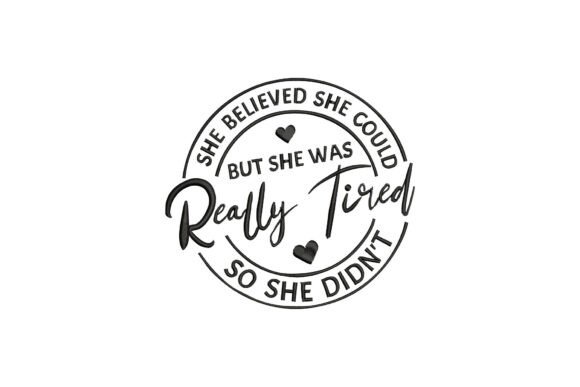
When you’re looking at a new embroidery design for real projects, the initial gut reaction is everything. It tells you immediately if this is something you’ll actually enjoy stitching, if it will resonate with clients, and if it will elevate a finished product beyond just a nice file. “She Believed” gave me that positive gut reaction. It’s not overly ornate or aggressive in its presentation, but it carries a quiet confidence that’s perfect for the current handmade aesthetic. The mood is gentle and affirming, which is exactly what you want for a design in the Religion Faith category—it feels personal rather than preachy.
The Personality It Projects
The layout is clean and straightforward, focusing on the central message. This isn’t a design that shouts; it’s one that feels like a quiet affirmation sewn into fabric. The detail level appears balanced—enough visual interest to feel special, but not so dense that it becomes a stitching challenge on common substrates. This visual personality naturally belongs to projects meant to be gifts, keepsakes, or personal daily reminders. I immediately pictured it on a canvas tote bag for a friend, a cozy sweatshirt, or a decorative pillow cover in a nursery or a peaceful living space. It has that giftable quality.
Where It Will Perform Beautifully
From a practical standpoint, the description’s note that it’s easy to stitch and perfect for t-shirts and tote bags is a good starting point. In my experience, a design like this shines on medium-weight fabrics with a smooth surface. Think classic cotton tees, canvas totes, denim, linen tea towels, and quilted pillow covers. For a baby item, like a little blanket or a simple bodysuit, using a very lightweight stabilizer will help keep it soft. As a patch, it would hold its shape well and could be applied to anything from a backpack to a cap, though the curved surface of a cap requires extra stabilizer planning.
For small business merchandise, this embroidery design offers versatility. An Etsy seller could easily create a line of “She Believed” products—totes, sweatshirts, kitchen towels, aprons—that feel cohesive. It lends itself well to printable mockups for digital product listings, as the clear lettering and theme are instantly recognizable. For boutique branding or a craft fair table, items embroidered with this design have a handmade presentation that feels thoughtful and consistent, which builds customer trust and engagement. It’s a design that adds perceived value without being overly niche.
Careful Considerations for Best Results
Like any good designer, I think through where a design might need extra attention. “She Believed” seems to have a reasonable stitch density, but its success hinges on clarity. On small hoop sizes, if the lettering is particularly fine, you might need to test to ensure the satin stitches or fill stitches don’t blur the message. Textured fabrics, like some sweaters or burlap, could lose that clarity. On dark fabric, the thread color contrast is paramount—a bright, clean white or a soft pastel would be my choice to keep it legible and gentle.
Stretchy fabric, like on a fitted t-shirt, demands the right stabilizer to prevent puckering. For layered garments or items that will undergo frequent washing, such as a child’s sweatshirt, ensuring the embroidery file is stitched with quality thread and secure stitches will maintain its longevity and professionalism. The corners and any decorative accents should be inspected in a test stitch to ensure they’re not too dense or prone to jump stitches.
A Real Scenario: The Custom Tote Bag
Let’s walk through a real case. I’m preparing a custom embroidered tote bag as a personalized gift for a client. I’ve selected a natural canvas. My first step is always to test the design on a scrap of the same fabric. I’ll check the thread colors—perhaps a soft sage green or a classic navy for a more subdued look. I’ll review the stitch density on my scrap to see if the machine handles the fills smoothly. I’ll confirm the hoop size required; for a tote, I likely want it centered and sizable enough to be a focal point.
Stitching it out, I’m watching for how “She Believed” lands. Does it feel balanced on the bag? Does the lettering stitch out clearly without any skipped runs? After it’s done, I assess the finished product. The result should be a tote that feels both useful and meaningful. The design isn’t overwhelming the bag’s function; it’s enhancing it. That’s the sweet spot for commercial embroidery projects and handmade products.
Designer Notes for a Smooth Project
Before committing any embroidery design to a final product, especially for your craft business, a few practical steps are non-negotiable. Always test on scrap fabric first. This tells you everything about how your machine and materials will interact with the embroidery file. Check thread color contrast against both light and dark fabric backgrounds in your mind, or even in a simple black and white mockup to gauge value contrast. Use the proper stabilizer for your chosen fabric—this is the foundation of a clean stitch.
Inspect the small details in your test run. Are there any tiny areas that might need a slight adjustment in scaling? Importantly, confirm the licensing terms for “She Believed” before selling finished items or using it in commercial embroidery. The product description provided doesn’t specify this, so you must verify with the designer or marketplace. Can you use it for personal and commercial projects? This clarity protects your small shop and ensures brand consistency.
A design like this, when executed well, directly affects visual appeal and customer trust. A clean, well-stitched “She Believed” on a sweatshirt or baby blanket looks professional and heartfelt. It boosts the giftability of the item and the recognition of your brand as a source for quality handmade products. For digital product sellers, offering this as part of your design assets means your customers are getting a versatile, emotionally resonant file.
Ultimately, “She Believed” strikes me as a reliable, personality-filled embroidery design. It’s not trying to do too much, which in the world of machine embroidery, is often the key to a successful, repeatable project. It invites you to think about the person who will receive the item, the message it conveys, and the quiet quality it adds to everyday objects. That’s a design worth stitching.